

Imagine tearing open your favorite packet of chips, only to be greeted by a puff of disappointment and a mere handful of snack crumbs clinging to the bottom of the bag.
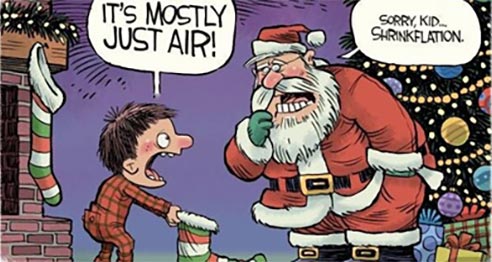
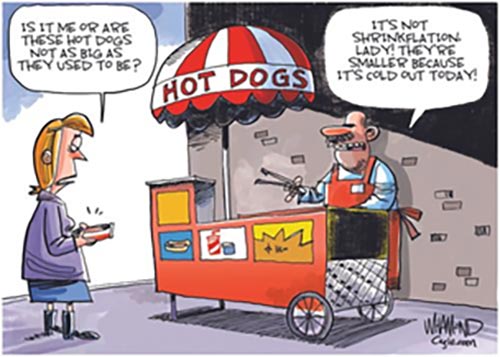
No, it’s not your imagination playing tricks. That hollow echo in the chip bag is the sound of shrinkflation, a silent thief robbing your snacks while smiling through shiny packaging.
In a world where inflation is the villain everyone’s watching, shrinkflation is its sneaky sidekick, quietly nibbling away at quantity while letting the price tag stand tall and unchanged. And for India’s teens armed with pocket money, hungry after school, and craving some good old masala chips this economic trickery hits home.
The Disappearing Act Behind Your Daily Crunch
India’s economy has been riding a roller coaster of price fluctuations. In April 2025, retail inflation cooled to 3.16 percent, the lowest in nearly six years. Sounds like cause for celebration, right? Not quite. When we zoom in on food inflation, things look far more turbulent. Back in December 2024, the Consumer Food Price Index stood at a spicy 8.39 percent, highlighting the ongoing surge in edible essentials.
In such a cost-crunched environment, manufacturers face a dilemma. Raising prices risks alienating budget-conscious consumers. So, many quietly take the magician’s route. They make the product smaller while keeping the price the same. Presto. Same packaging, fewer noodles, and no price hike. It’s economics dressed in an invisibility cloak.
Real Stats, Real Snacks, Real Shrinkage
Take a walk through your local kirana store and the signs are everywhere, if you know where to look. Haldiram’s iconic Aloo Bhujia used to weigh in at 55 grams. Today, that same packet has slimmed down to 42 grams, though you wouldn’t guess it from the unchanged bright yellow pouch.
Nestlé’s beloved Maggi Noodles? Once a generous 80 grams, now trimmed to 55 grams. Even household staples like Vim soap have been caught in the act, shrinking from 155 grams to 135 grams.This isn’t just penny-pinching. It’s a strategic cost-management technique used by some of the biggest FMCG brands in India. According to a recent report in Outlook Business, shrinkflation has become a go-to tactic for over a dozen household names across food, personal care, and cleaning products.
But here’s the twist. Most consumers don’t notice. That’s the point. The packaging remains nearly identical. The branding, colors, and designs are carefully preserved to lull you into comfort and familiarity. What changes is only the fine print the gram count, quietly fading away like the last biscuit in the pack.
How It Feels and Hurts to Be a Teen in the Age of Shrinkflation
Let’s get real. Teenagers don’t exactly have deep pockets or diversified portfolios. We operate in a tight economy of allowances, lunch budgets, and birthday cash. And when a chocolate bar or packet of biscuits gives us less than it did last month, we feel it immediately at the checkout counter and in our stomachs.
That silent reduction isn’t just a marketing sleight of hand. It’s an attack on our purchasing power. One chocolate bar that used to tide you over until dinner now disappears before you’ve even left the canteen. You’re not imagining it. You’re experiencing the subtle erosion of value, byte by byte, bite by bite.
It’s no wonder that teens across social media have noticed. Memes about air-filled chips and ten-rupee snacks that vanish faster than your data pack have gone viral, giving voice to an unspoken frustration. It’s humor, yes, but also a collective cry for economic fairness or at least more wafers in our wafer packs.
The Global View: A Widespread Crunch
Shrinkflation isn’t just an Indian issue. A global survey by Ipsos revealed that nearly 46 percent of consumers across 33 countries have observed product downsizing without a price cut. In places like the U.S. and U.K., customers have caught brands like Gatorade and Doritos playing the same game.
So why do companies do it? Because it works. Consumers are more sensitive to price hikes than they are to quantity cuts. In a cost-of-living crisis, a higher sticker price screams betrayal. But sneakily cutting 10 grams of product? That often slips by unnoticed until people start feeling oddly unsatisfied after finishing a once-filling snack.
What Can Be Done
Unfortunately, there’s no superhero swooping in to rescue your shrunken chips. But awareness is power. Understanding how shrinkflation works is the first step in fighting back. As informed consumers, we can compare weights, read fine print, and even call out brands that quietly shortchange us. As teenagers, we may not control the economy, but we can certainly make noise about fairness online and off.
There’s also a long-term play here. Learning about concepts like inflation, consumer price index, and real purchasing power isn’t just about exams. It’s about preparing to navigate a world where money doesn’t always talk straight. When your snack shrinks, it’s not just a hunger problem. It’s an economic lesson wrapped in foil.
Final Crunch
Shrinkflation may be a quiet culprit, but it’s leaving loud echoes in snack aisles across India. It teaches us something fundamental about the economy that not all losses come with price tags, and not all price tags tell the full story. As teens, it’s time we read between the lines and behind the labels.
So the next time you reach for your favorite packet of chips, remember. You’re not just buying a snack. You’re stepping into the wild world of Snackonomics.