

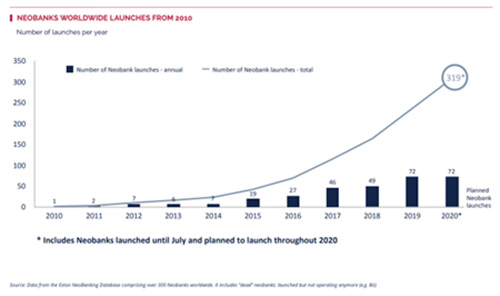
In recent years, India’s fintech landscape has witnessed a surge in neobanking platforms tailored for teenagers, aiming to instill financial literacy and independence from a young age. Among these, FamPay has emerged as a prominent player, offering innovative solutions that bridge the gap between traditional banking and the digital preferences of Gen Z.
The Emergence of Teen-Focused Neobanks
Traditional banking systems often overlook the unique needs of teenagers, leaving them reliant on cash or their parents’ cards. Recognizing this gap, neobanks like FamPay have introduced platforms that allow teens to manage their finances digitally, with parental oversight. These platforms offer features such as prepaid cards, UPI integration, and gamified savings tools, making financial management both accessible and engaging for young users.
FamPay: Pioneering Teen Banking in India
Founded in 2019 by IIT Roorkee alumni Sambhav Jain and Kush Taneja, FamPay positions itself as India’s first neobank for teenagers. The platform provides a secure environment where teens can make online and offline payments without the need for a traditional bank account. With parental consent, users receive a numberless prepaid card and access to a mobile app that tracks spending, encourages savings, and offers financial insights.
FamPay’s approach has resonated with its target audience. Within eight months of its launch, the platform garnered over 2 million registered users. A case study by WebEngage highlighted a 22% increase in transactions and a 40% boost in referral users within six months, underscoring the platform’s growing popularity among Indian teens.
FinTech Futures
WebEngage
Financial Literacy Through Gamification
Understanding that traditional financial education can be daunting, FamPay incorporates gamified elements to make learning about money management enjoyable. Features like “Save the Streak” challenge users to maintain consistent savings habits, rewarding them for financial discipline. Additionally, the app’s social feed allows teens to share their spending experiences, fostering a community that discusses and learns about financial decisions collectively.

The Broader Impact on India’s Fintech Ecosystem
India’s fintech sector has experienced exponential growth, with the digital payments market projected to reach $135.2 billion by 2023. Neobanks targeting younger demographics play a crucial role in this expansion, introducing financial services to a previously underserved segment. By equipping teens with the tools and knowledge to manage their finances, platforms like FamPay contribute to a more financially inclusive future.
Challenges and the Road Ahead
While the rise of teen-focused neobanks is promising, challenges remain. Ensuring data privacy, preventing overspending, and maintaining regulatory compliance are critical concerns. Moreover, as these platforms evolve, they must continuously adapt to the changing needs and behaviors of their young users.
In conclusion, the advent of neobanks like FamPay signifies a transformative shift in how Indian teenagers engage with financial services. By combining technology, education, and user-centric design, these platforms not only empower the youth with financial independence but also lay the foundation for a more financially literate generation